Weeds in Artificial Turf: How to Prevent and Remove Them
One of the biggest selling points of artificial turf is "no more weeding." So when a dandelion pops up through your fake grass, it feels like a betrayal. The truth is that weeds can and do grow in artificial turf, but the reasons are fixable and prevention is straightforward.
Why Weeds Grow in Artificial Turf
Weeds in artificial turf come from two directions, and understanding the source determines the solution.
Airborne Seeds (The Most Common Cause)
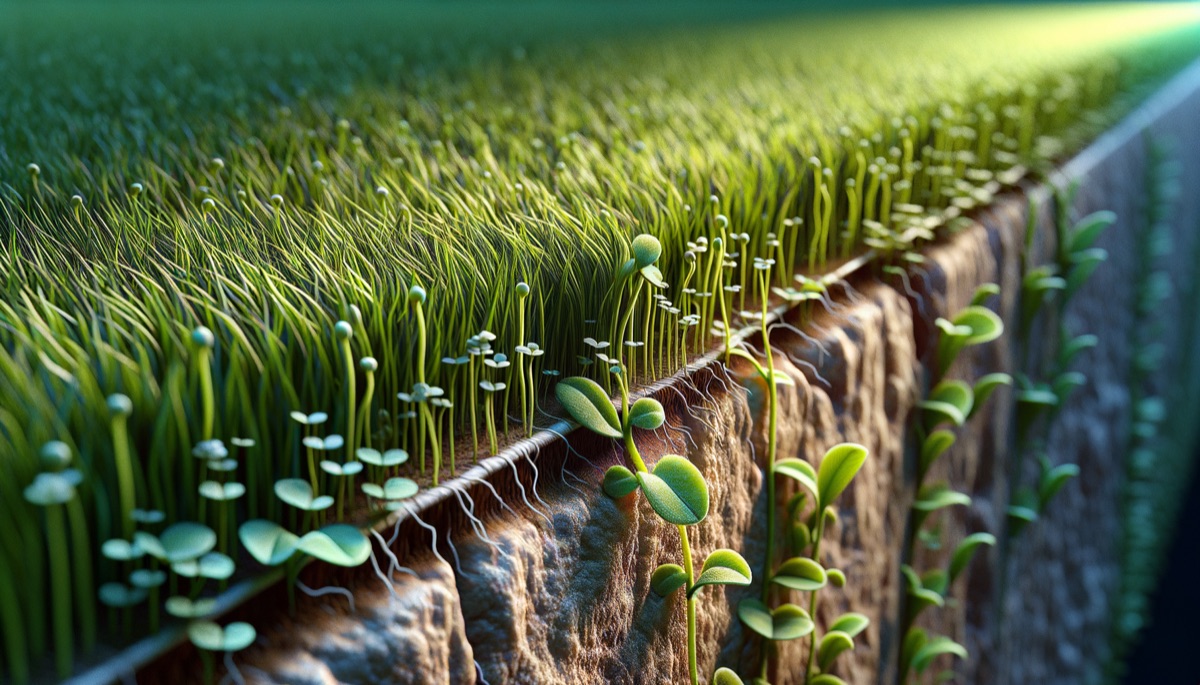
The most frequent cause of weeds in artificial turf is not from below, it is from above. Wind, birds, and foot traffic carry weed seeds that land on the turf surface and settle into the infill. Over time, dust, decomposing leaves, and other organic matter accumulate in the infill, creating a thin layer of soil-like material that gives those seeds everything they need to germinate. This is especially common in yards near natural landscapes, open fields, or areas with mature trees.
Edge Gaps and Perimeter Growth
Weeds are opportunistic. Any gap between the turf edge and the surrounding hardscape, fence line, or garden bed is an invitation. Grass and weeds from adjacent soil can send runners under or along the turf edge and emerge on the surface. Edges that were not properly secured during installation or that have loosened over time are particularly vulnerable.
Failed or Missing Weed Barrier
A weed barrier membrane installed between the compacted base and the turf backing prevents weeds from growing up through the turf from the soil below. If this barrier was never installed, has torn, or has degraded over time, you may see weeds pushing up through the turf. This is less common with professional installations but is a frequent issue with DIY installs that skip this step.
How to Prevent Weeds in Artificial Turf
Prevention is far easier and cheaper than removal. A multi-layer approach is the most effective strategy:
1. Install a Quality Weed Barrier
If you are installing new turf or replacing existing turf, a commercial-grade weed barrier membrane is non-negotiable. Look for a barrier that is at least 3 oz per square yard with UV-stabilized polypropylene construction. This blocks weed growth from below while still allowing water to drain through. Cheap landscape fabric from home improvement stores degrades within a few years; invest in a commercial product designed for artificial turf.
2. Apply Pre-Emergent Herbicide
A granular pre-emergent herbicide applied to the turf surface twice a year prevents airborne seeds from germinating in the infill. Apply in early spring before weed season begins and again in early fall. Products containing prodiamine or trifluralin are effective and safe for synthetic turf materials. Lightly water in after application to carry the granules into the infill where seeds settle.
3. Regular Brushing and Debris Removal
Removing organic debris regularly prevents the buildup of the soil-like layer that weeds need to germinate. Regular brushing and grooming also disturbs any seeds that have settled into the infill before they can take root. Aim to brush your turf every 2 to 4 weeks and remove leaves, flowers, and other debris weekly.
4. Secure All Edges
Make sure the turf is properly nailed or glued at all edges. Use bender board, aluminum edging, or concrete borders to create a clean separation between the turf and adjacent surfaces. Check edges twice a year for any gaps or loosening and re-secure as needed.
How to Remove Weeds from Artificial Turf
When weeds do appear, remove them promptly before they establish root systems in the infill:
Method 1: Hand Pulling
The simplest and safest approach for scattered weeds.
- 1. Wait for damp conditions. Weeds pull out more easily from damp infill. Water the area lightly or pull after rain.
- 2. Grip at the base. Grab the weed as close to the infill surface as possible.
- 3. Pull slowly and steadily. A slow, steady pull removes more of the root than a quick yank.
- 4. Brush the area. After pulling, brush the infill back into place and rinse the area.
Method 2: Vinegar Solution
An effective natural herbicide for surface weeds.
- 1. Use horticultural vinegar (20% acidity) for best results. Standard kitchen vinegar (5%) works on small, young weeds.
- 2. Apply directly to the weed. Use a spray bottle and target only the weed to minimize contact with turf fibers.
- 3. Wait 24 hours. The weed should wilt and brown. Pull out the dead weed and discard.
- 4. Rinse the area. Flush with water to dilute any remaining vinegar in the infill.
Method 3: Targeted Herbicide
For stubborn or deep-rooted weeds that resist hand pulling.
- 1. Choose a non-staining, synthetic-safe herbicide. Glyphosate-based products are effective but should be applied carefully.
- 2. Apply with precision. Use a small brush or targeted sprayer to apply only to the weed. Avoid broad spraying across the turf surface.
- 3. Allow time to work. Most herbicides take 3 to 7 days to fully kill the weed.
- 4. Remove the dead weed and brush the infill back into place.
What to Avoid
- Do not use a torch or flame weeder. Artificial turf is made of plastic and will melt.
- Do not dig or use sharp tools in the infill. You may puncture the weed barrier or damage the turf backing.
- Do not use salt-based herbicides. Salt accumulates in the infill and can corrode metal components and affect drainage.
Edge Maintenance: The Overlooked Key
Most persistent weed problems in artificial turf trace back to the edges. Here is how to keep your perimeter weed-free:
- Inspect edges quarterly. Walk the entire perimeter of your turf and look for gaps, lifted edges, or areas where adjacent vegetation is encroaching.
- Maintain a clean border. Keep a 2 to 3 inch gap between turf edges and garden beds. Fill this gap with gravel or decomposed granite rather than soil, which encourages weed growth.
- Re-secure loose edges promptly. Use landscape stakes or adhesive to re-attach any edges that have lifted. Even a small gap is enough for weeds to exploit.
- Trim adjacent vegetation. Keep nearby grass, groundcover, and garden plants trimmed back from the turf edge. Aggressive plants like Bermuda grass can send runners several feet under turf edges.
If weeds keep appearing along the same edge despite your efforts, the edge banding may need to be replaced or upgraded. A professional weed removal service can assess the situation and recommend a permanent fix.
Weeds Winning the Battle?
Get matched with a verified turf maintenance pro who can eliminate weeds and set up a prevention plan. Free quotes, no obligation.
Get a Free QuoteProfessional vs. DIY Weed Management
Here is a practical breakdown of when each approach makes sense:
DIY Is Sufficient When:
- You have only a few weeds appearing occasionally
- Weeds are small and shallow-rooted
- They appear on the surface rather than at seams or edges
- Your turf was professionally installed with a proper weed barrier
Call a Professional When:
- Weeds keep returning in the same spots despite removal
- Weeds are growing along seams, which may indicate seam failure
- Large sections of turf are affected
- Weeds appear to be growing up through the turf from below (possible barrier failure)
- You want a comprehensive prevention plan with pre-emergent treatment
Professional weed removal for artificial turf typically costs $100 to $300 per visit depending on yard size and severity. A comprehensive visit usually includes removal, edge inspection, pre-emergent application, and brushing and grooming of the affected areas.
Seasonal Weed Prevention Schedule
Follow this calendar to stay ahead of weeds year-round:
- Early Spring (February to March): Apply pre-emergent herbicide before weed season begins. Inspect and re-secure all edges. Remove any winter debris that has accumulated.
- Late Spring to Summer (April to August): Peak weed season. Check for new growth weekly. Hand-pull any weeds that appear promptly. Brush turf every 2 weeks to disturb settling seeds. Keep adjacent vegetation trimmed.
- Early Fall (September to October): Apply second round of pre-emergent herbicide. Do a thorough edge inspection and repair. Remove fallen leaves regularly to prevent organic buildup. Schedule a professional deep clean and weed treatment.
- Winter (November to January): Weed growth slows significantly. Focus on debris removal and a final edge check before spring. This is a good time for any infill replenishment since the turf is under less stress.
Frequently Asked Questions
Can weeds actually grow through artificial turf?
Weeds rarely push up through properly installed artificial turf from below. A quality weed barrier membrane between the base and the turf prevents this. What actually happens in most cases is that airborne seeds land on the turf surface, settle into the infill, and germinate there. Weeds can also creep in from the edges where the turf meets hardscape, garden beds, or natural soil. This is why edge maintenance is just as important as the weed barrier underneath.
What is the best weed killer for artificial turf?
For weeds already growing in artificial turf, a vinegar-based herbicide or a glyphosate-based product applied directly to the weed works well. Avoid broad-spectrum herbicides that leave residue, as these can discolor turf fibers or degrade infill over time. For prevention, a granular pre-emergent herbicide applied twice a year, once in early spring and again in early fall, stops seeds from germinating in the infill. Always check that any product you use is safe for synthetic materials before applying.
How often should I check my artificial turf for weeds?
A quick visual inspection once a week is enough for most yards. Weeds are far easier to remove when they are small, and catching them early prevents root systems from establishing in the infill. During spring and early summer when weed growth is most active, check every few days. Pay special attention to edges, seams, and areas near garden beds where seeds are most likely to land. If you have professional maintenance visits scheduled, ask your provider to include weed checks as part of the service.
Will a weed barrier completely prevent weeds in artificial turf?
A weed barrier prevents weeds from growing up through the turf from the soil below, and it does this very effectively when properly installed. However, it cannot prevent airborne seeds from landing on the turf surface and germinating in the infill layer on top of the barrier. Think of it as blocking weeds from one direction but not the other. This is why a complete weed prevention strategy includes both a weed barrier underneath and regular surface maintenance, such as brushing, debris removal, and periodic pre-emergent treatment, on top.
Should I hire a professional for weed removal in artificial turf?
For a few scattered weeds, DIY removal by hand-pulling or spot-treating with vinegar is perfectly fine. Professional weed removal makes more sense when weeds have become widespread, when they are growing along seams or edges where improper removal could damage the turf, or when you want a comprehensive prevention plan. Professionals can also identify why weeds keep returning, whether it is a failed weed barrier, gaps in edge banding, or compacted infill that is retaining organic matter. If you are dealing with recurring weed problems despite your own efforts, a professional assessment is worth the investment.
The Bottom Line
Weeds in artificial turf are a maintenance issue, not a product failure. They almost always result from airborne seeds settling into organic debris in the infill or from gaps at the turf edges. A quality weed barrier prevents growth from below, regular brushing and debris removal eliminates the growing medium on top, and pre-emergent herbicide stops seeds before they sprout.
If you stay on top of these three things, weeds in your artificial turf will be rare and easy to manage. If they have already taken hold, start with a thorough removal, address the root cause (usually edges or debris buildup), and then implement the prevention routine going forward.